Gandola


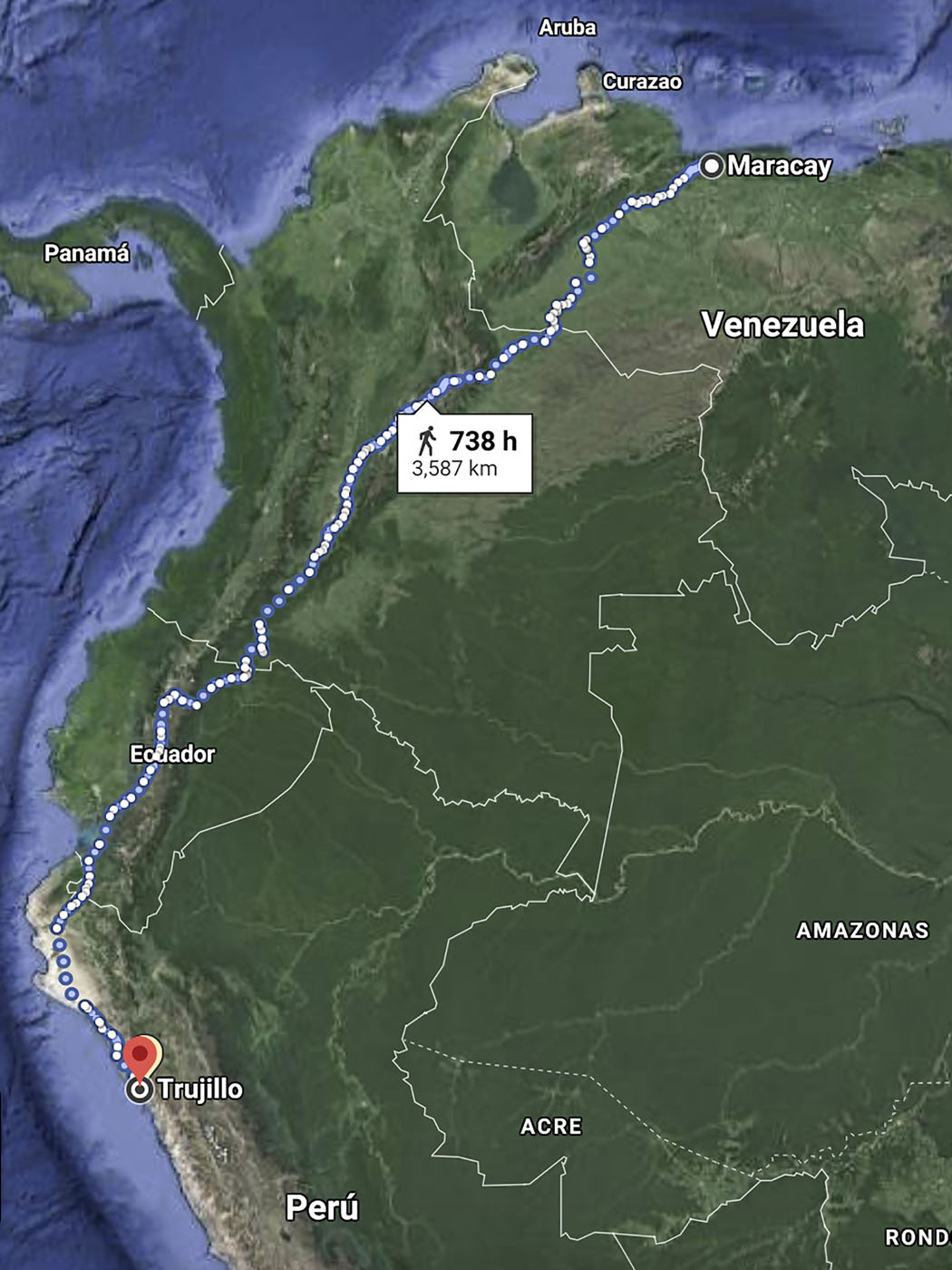

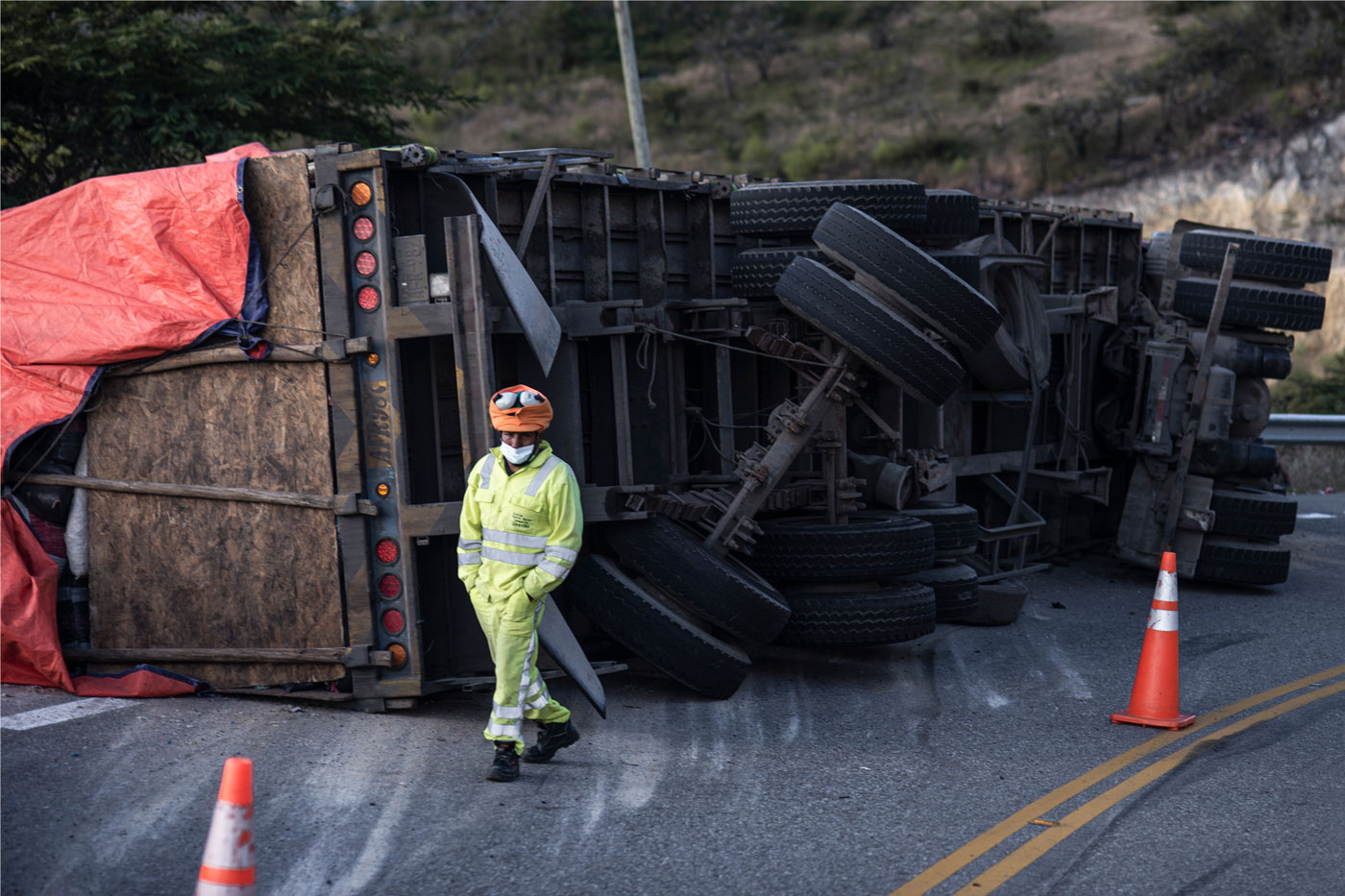
La diáspora venezolana es uno de los sucesos más notables de la actualidad latinoamericana. Más de cinco millones de personas han atravesado fronteras y el Perú, pese a sus falencias históricas, no ha sido ajeno: es uno de los países que más migrantes venezolanos recibe y, al mismo tiempo, un punto de tránsito hacia el sur.
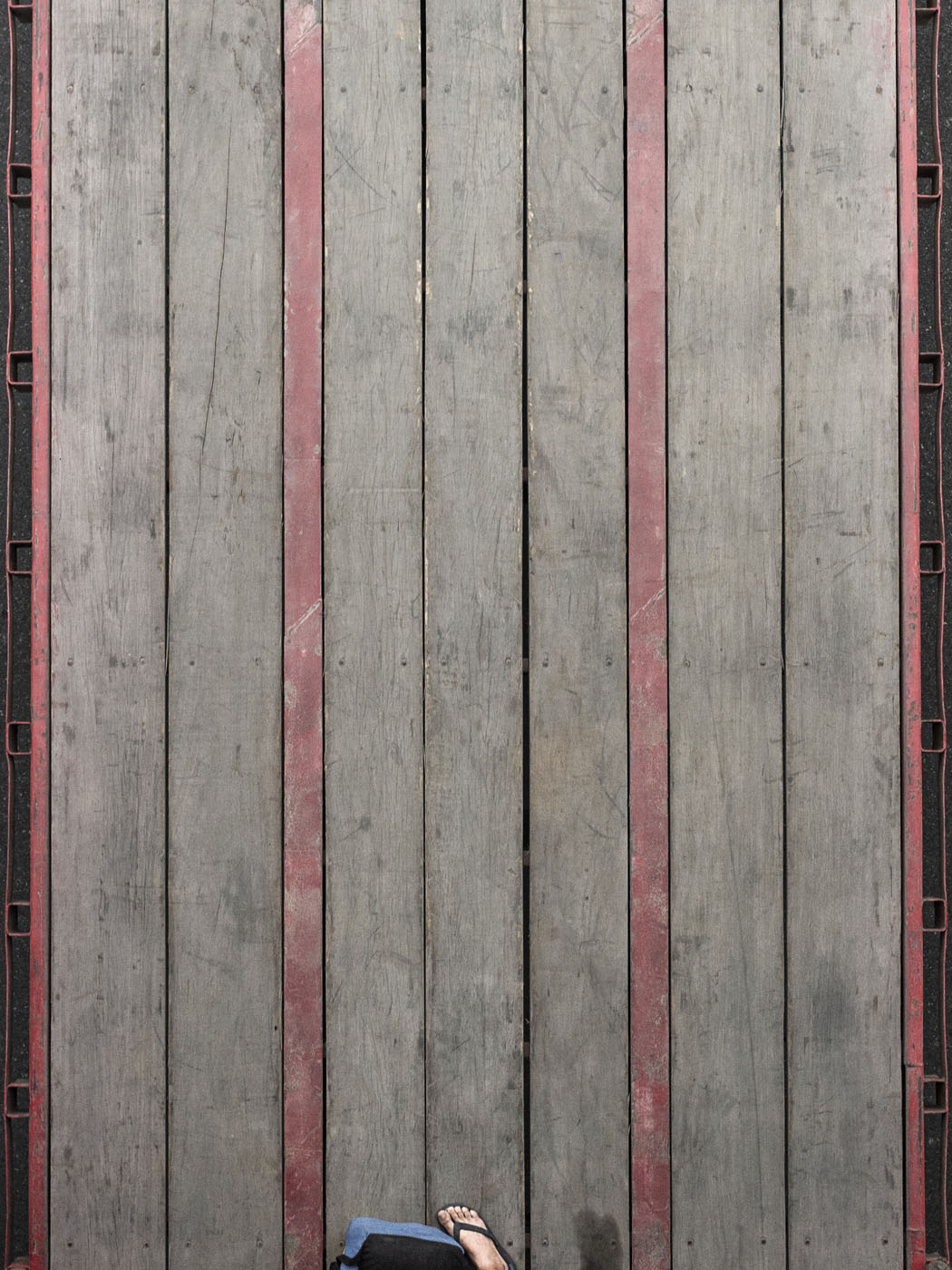
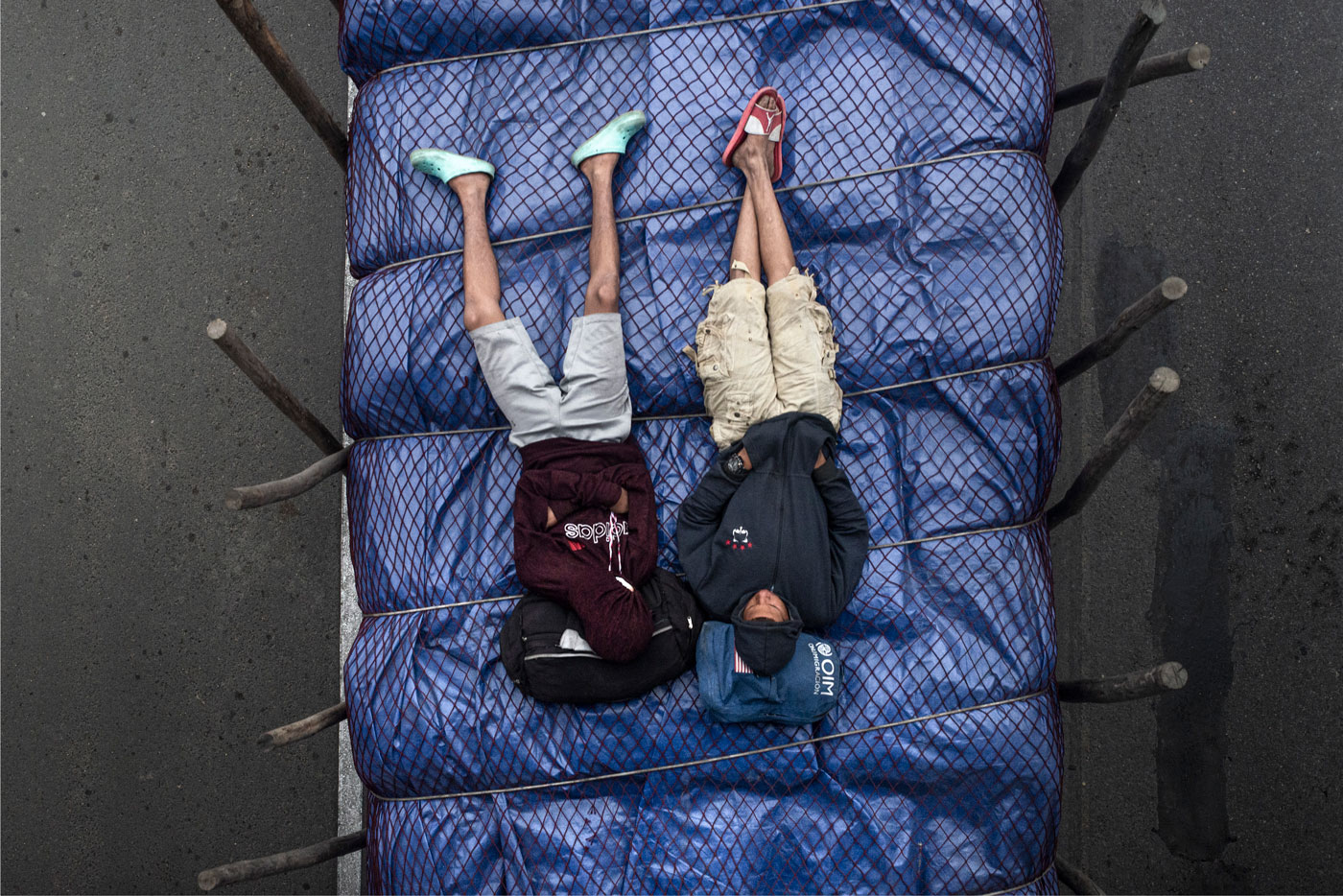
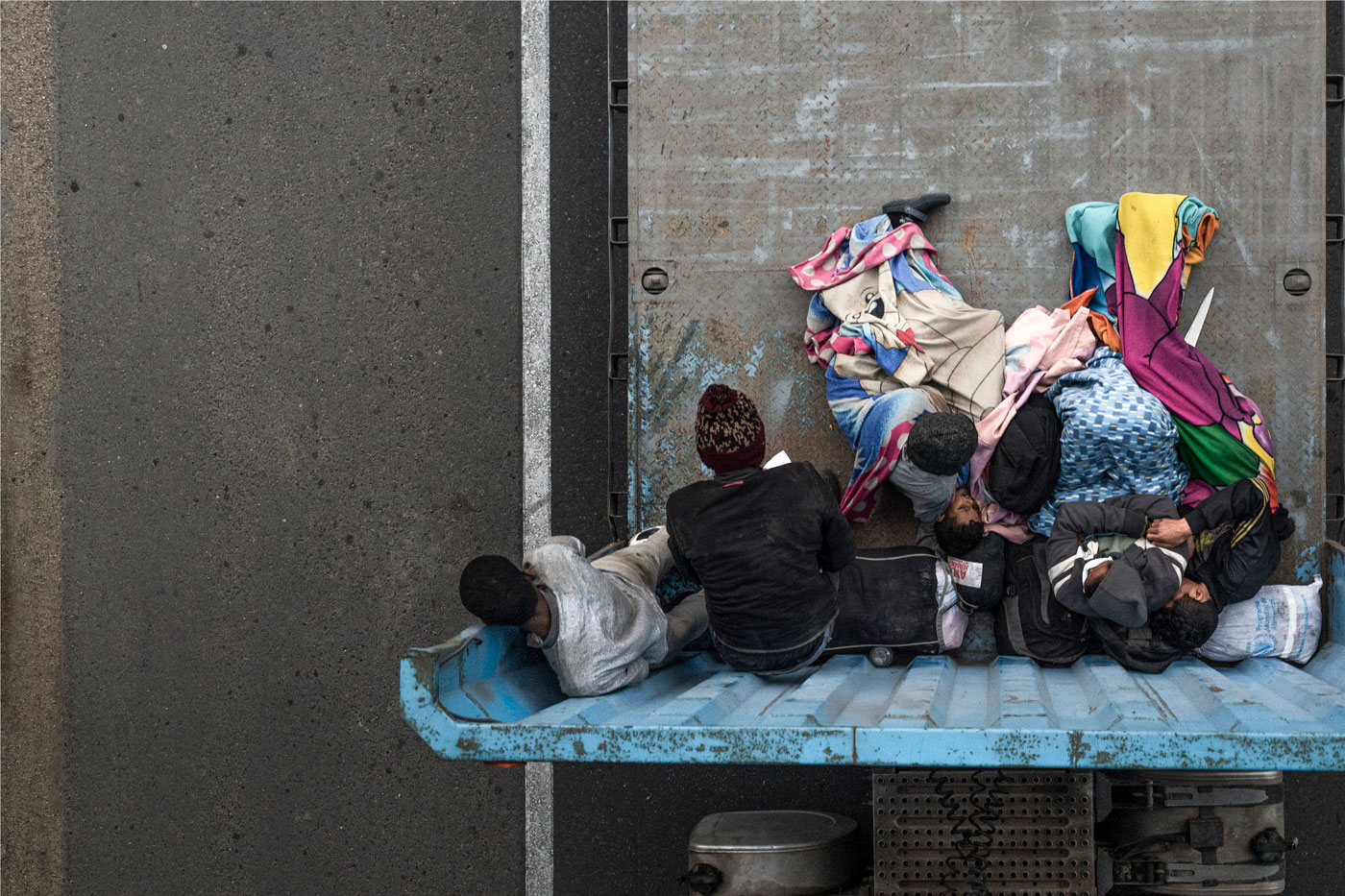
Desde la llegada de los primeros migrantes a nuestra ciudad, comencé a entrevistarlos. Con el tiempo descubrí que existían distintas formas de desplazarse, siendo la carretera Panamericana un eje central. A partir de esas entrevistas, iniciadas en 2018, y de mis viajes a mi ciudad natal (Guadalupe, La Libertad), observé que quienes contaban con menos recursos viajaban de una manera distinta: trepados a los tráileres de carga que cruzan de ciudad en ciudad. Así, en condiciones extremadamente peligrosas, avanzaban en busca de un futuro mejor o regresaban a su país de origen practicando “tráiler-stop”.
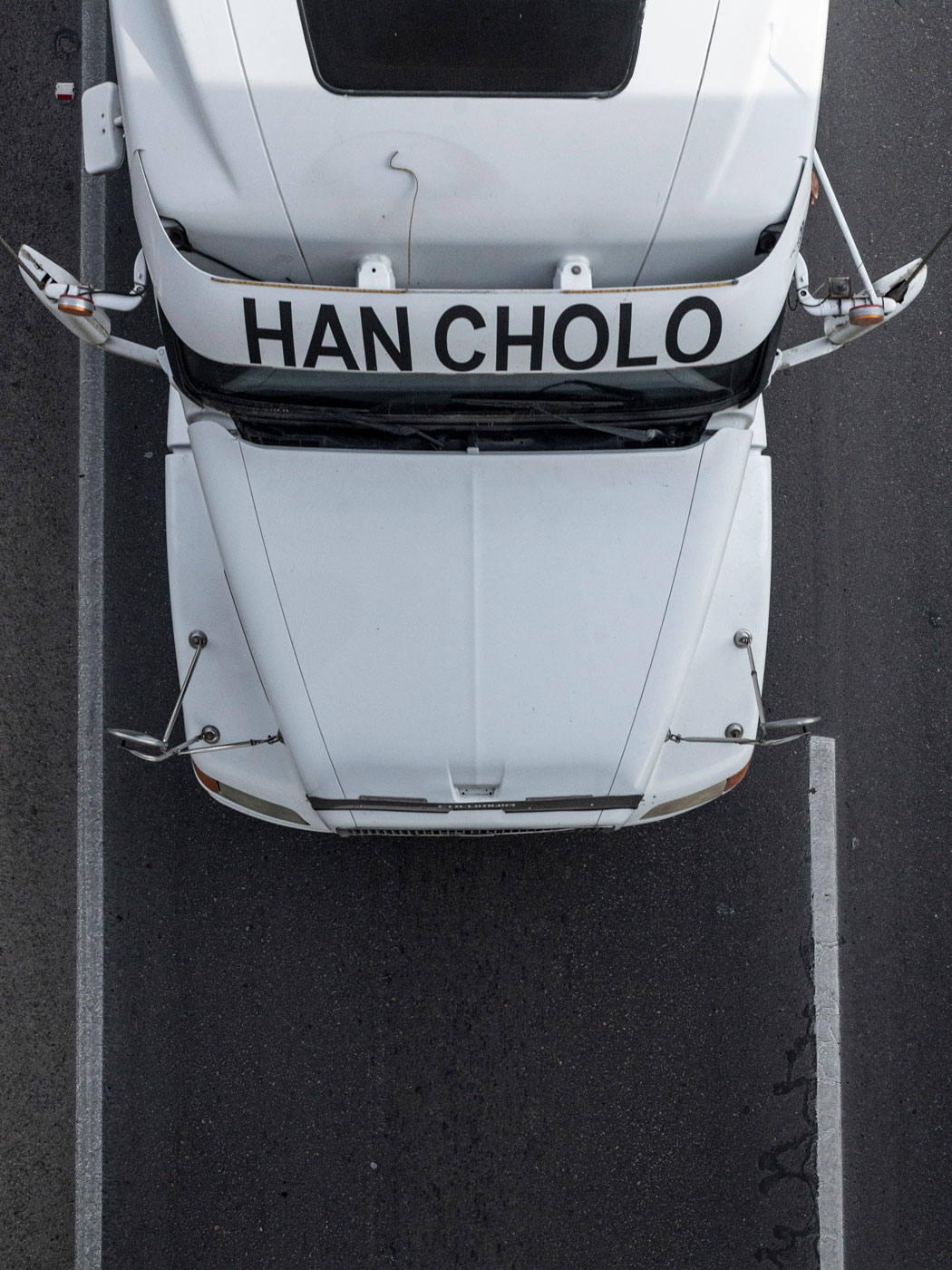
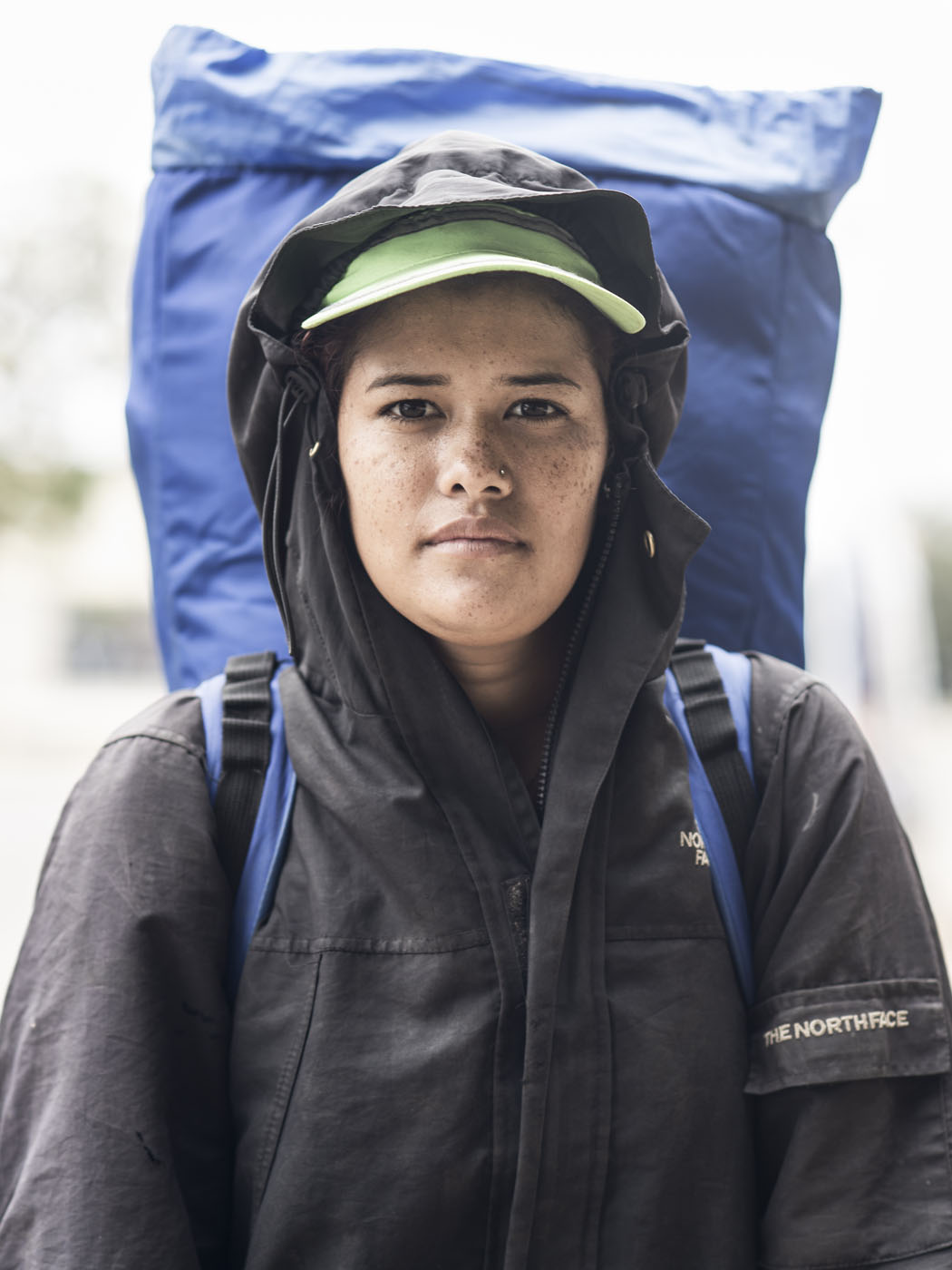
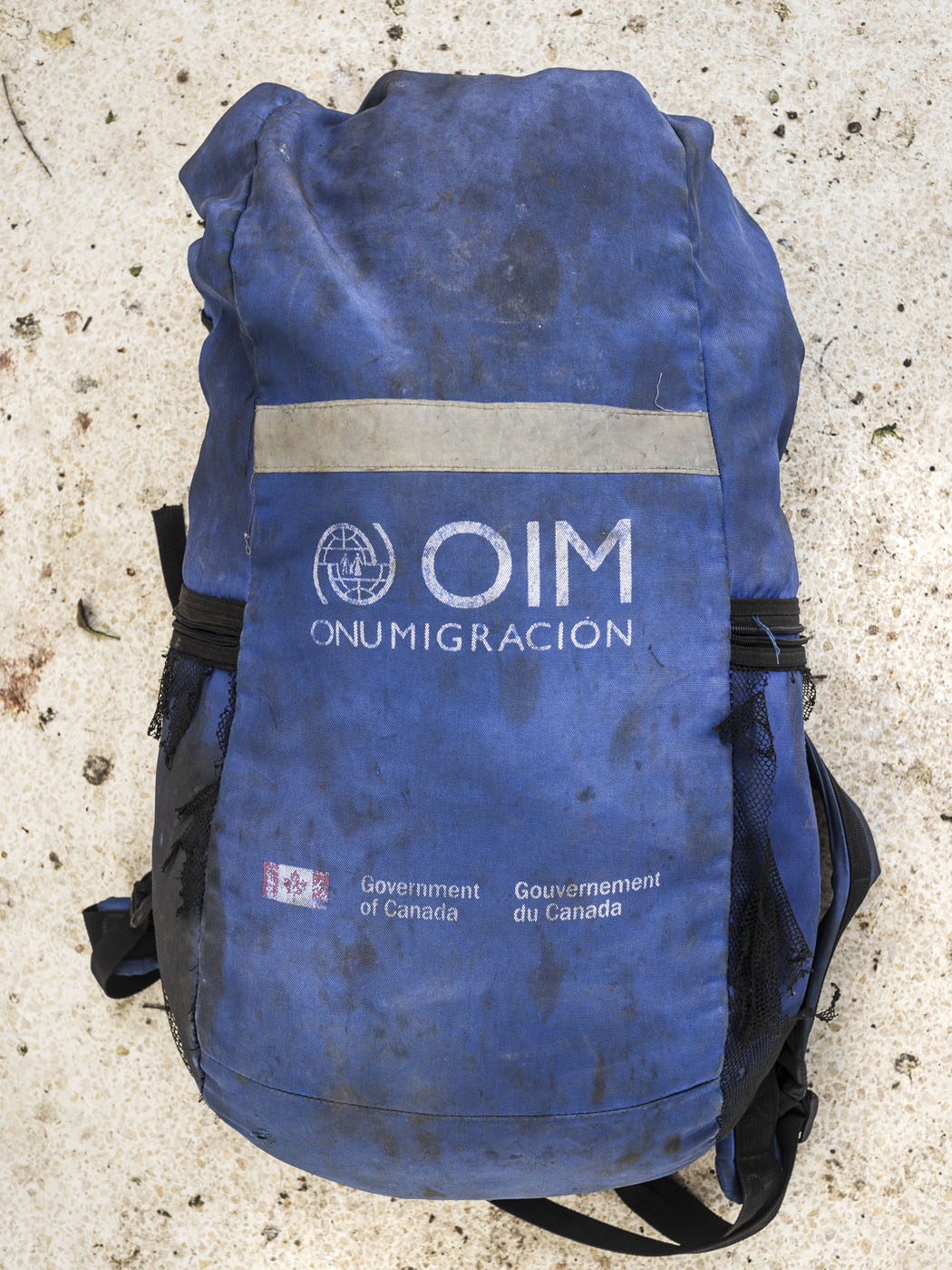
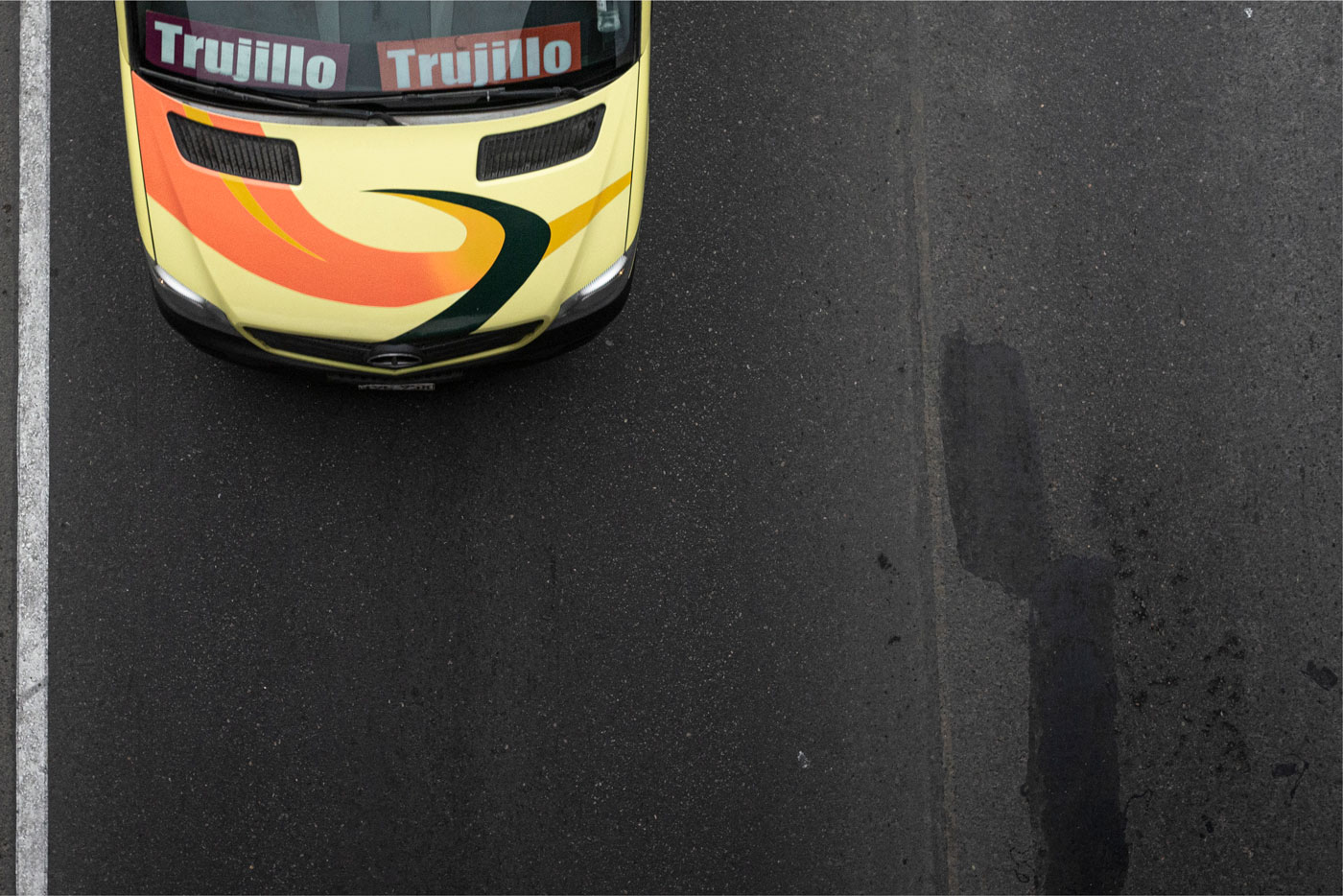
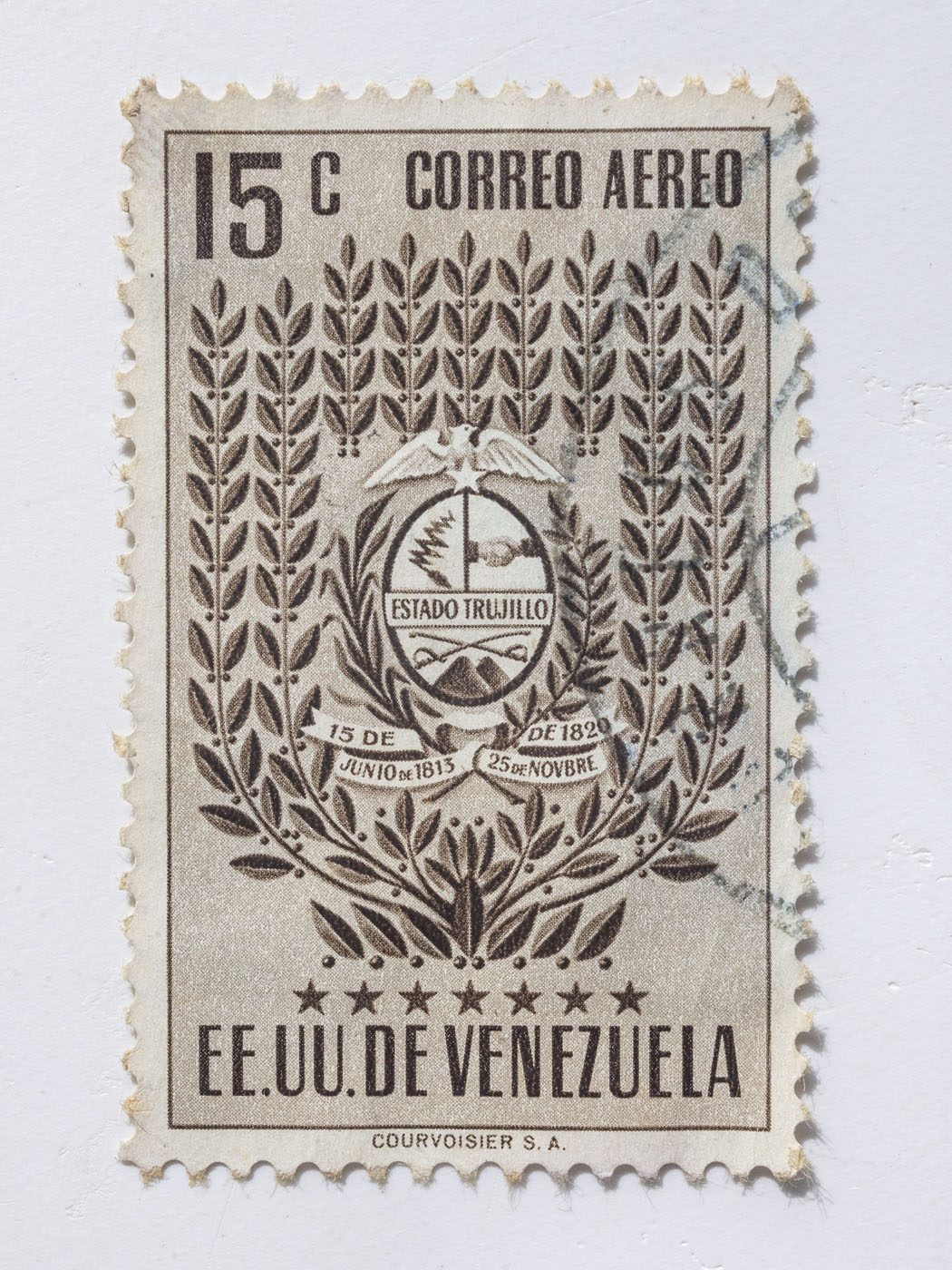
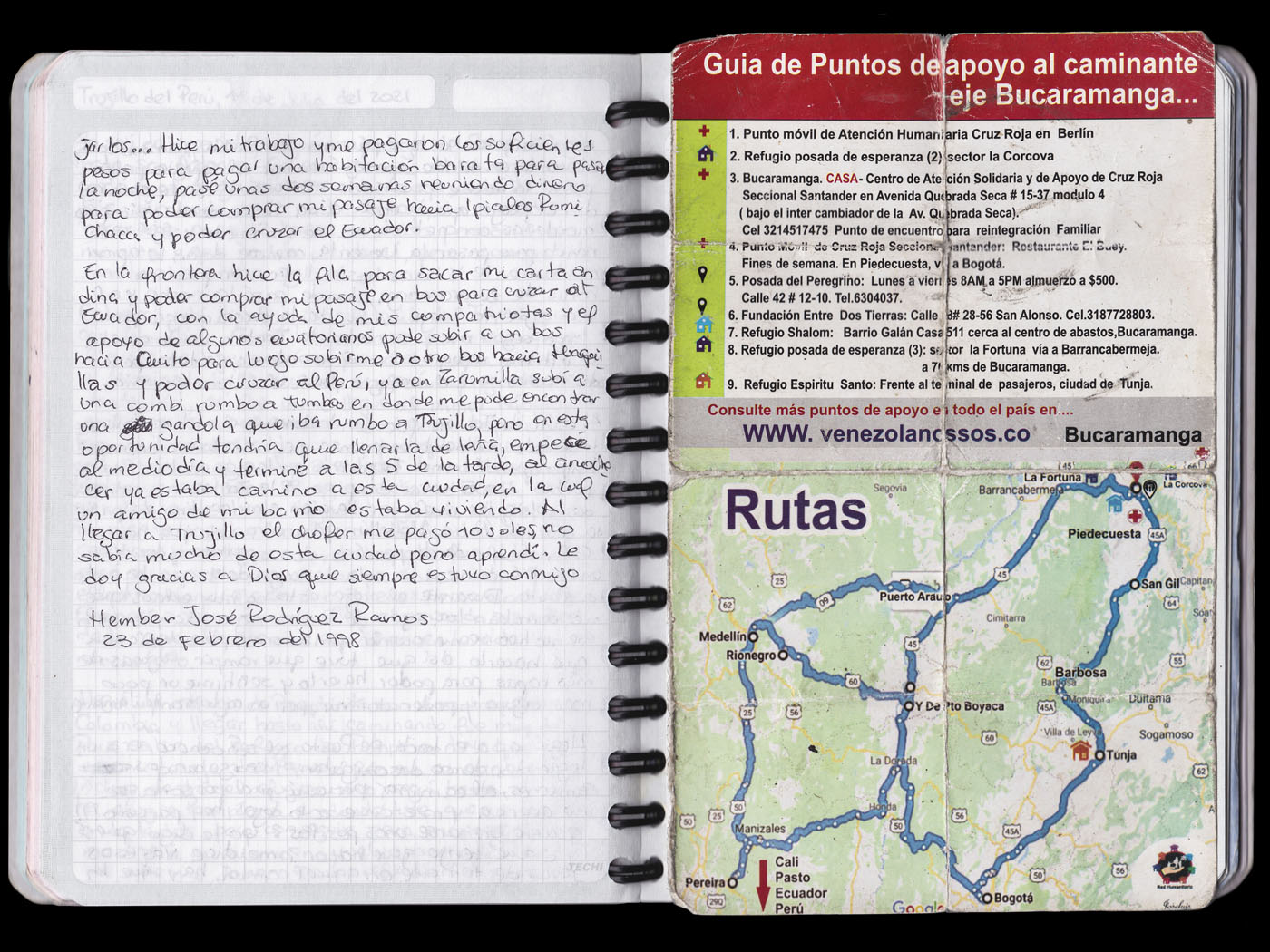
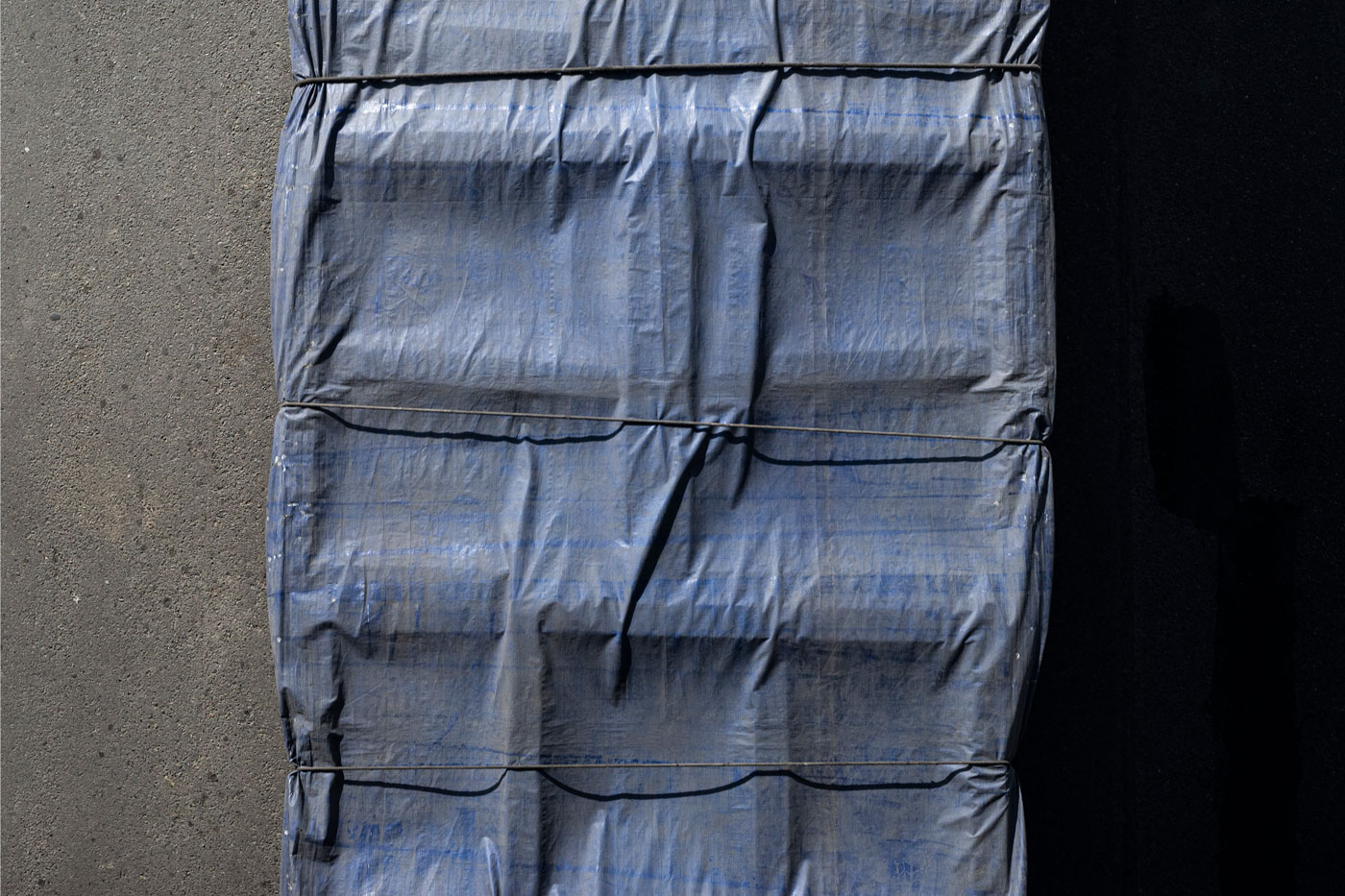
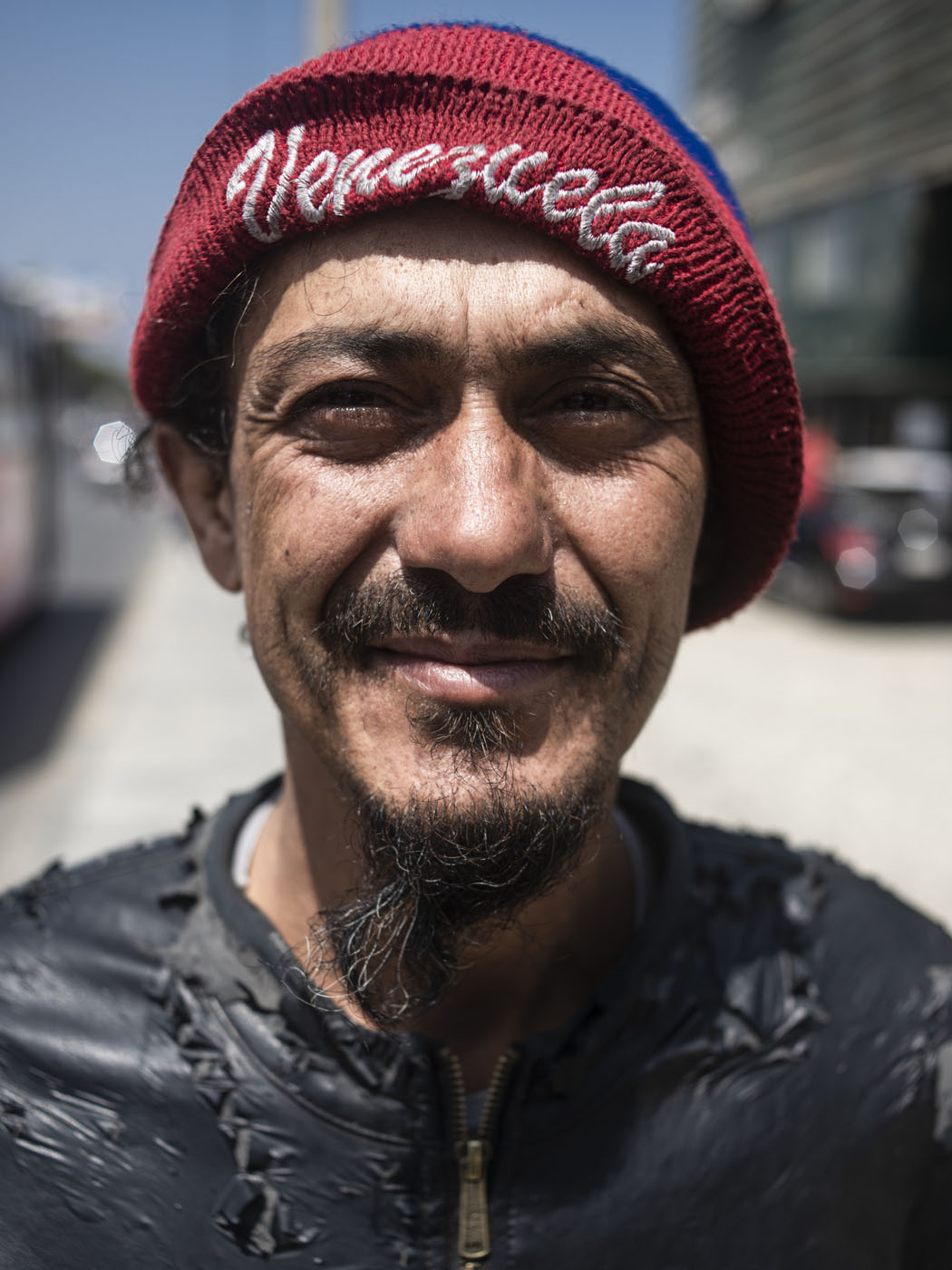
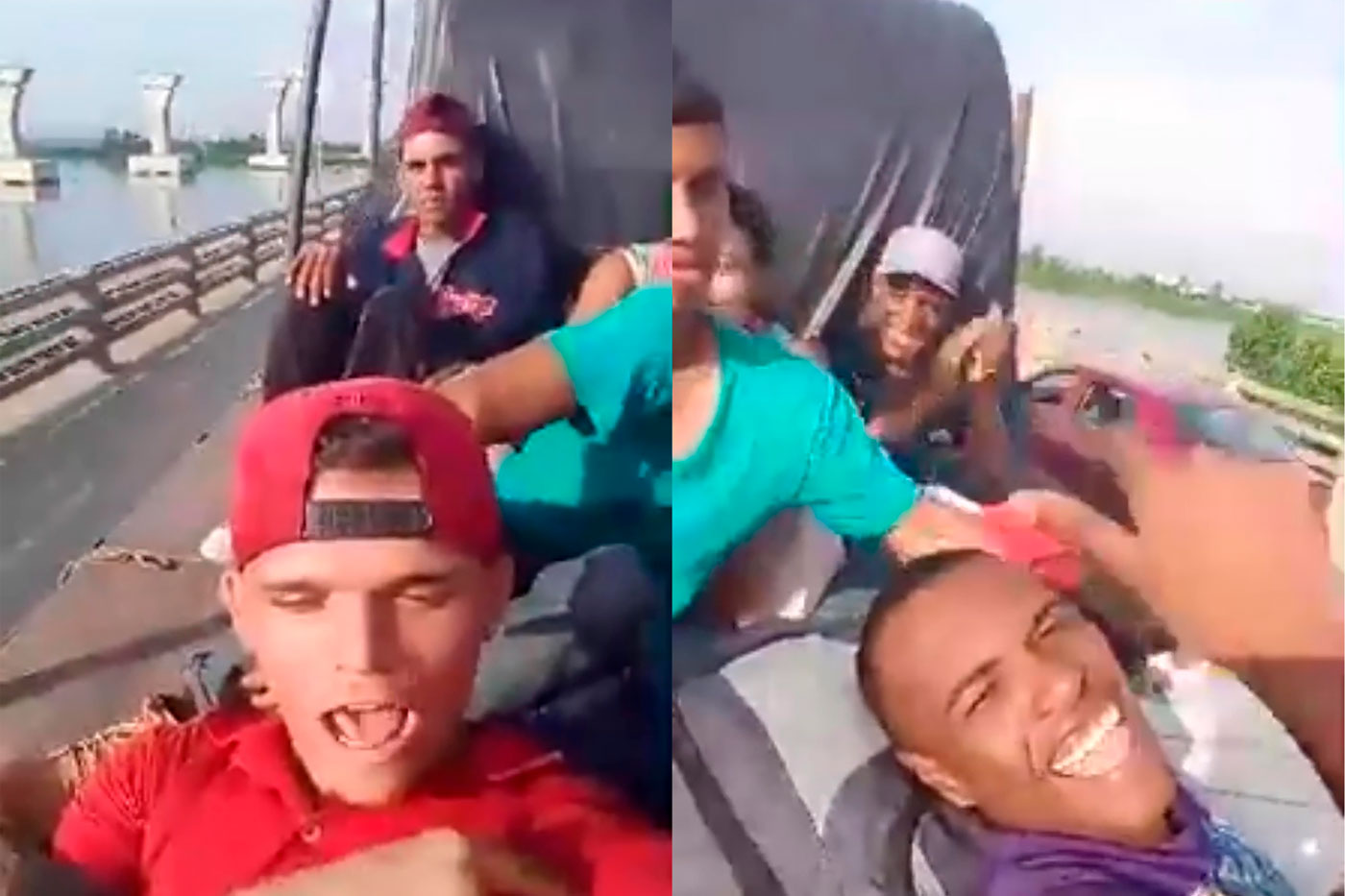
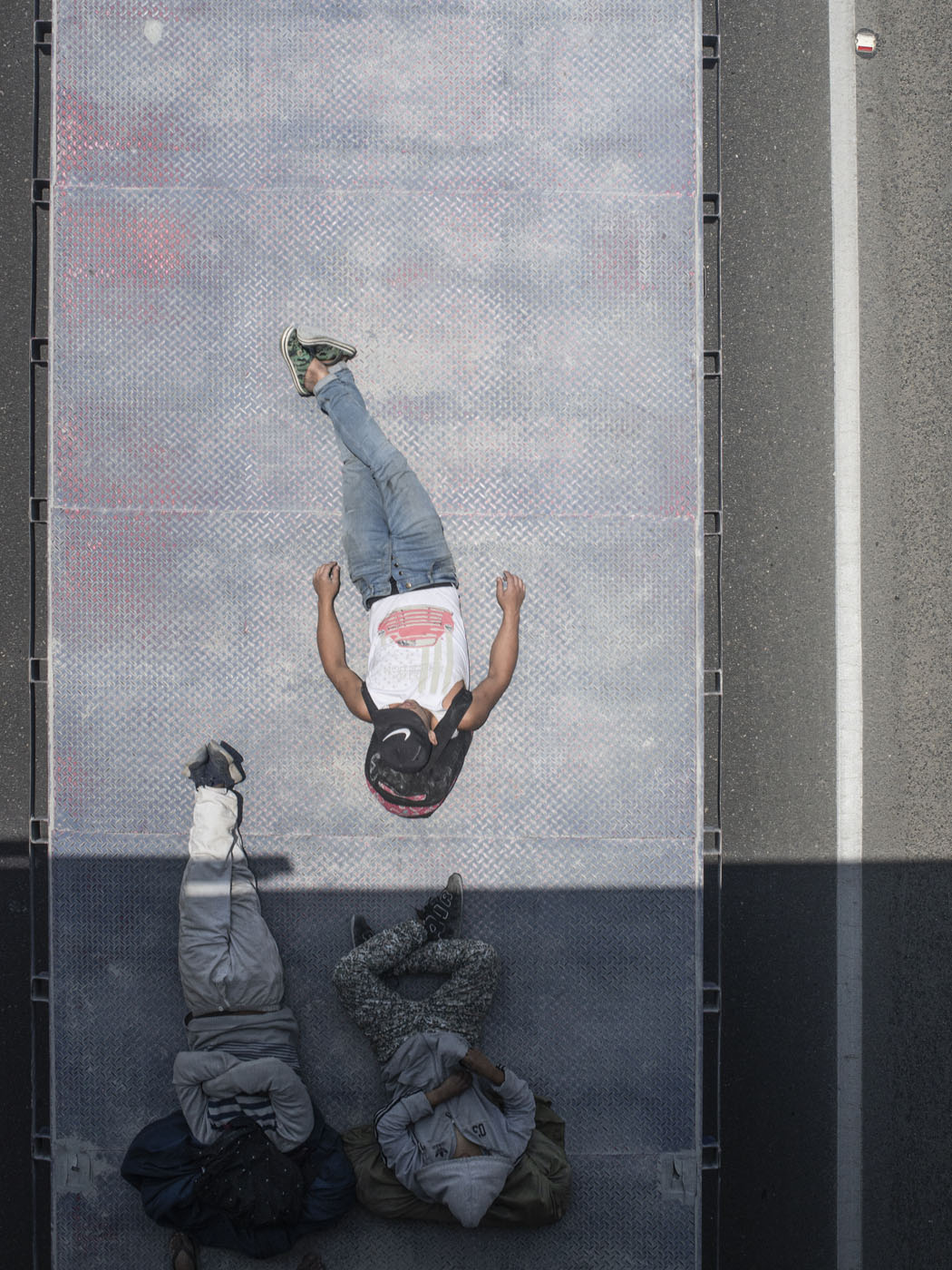
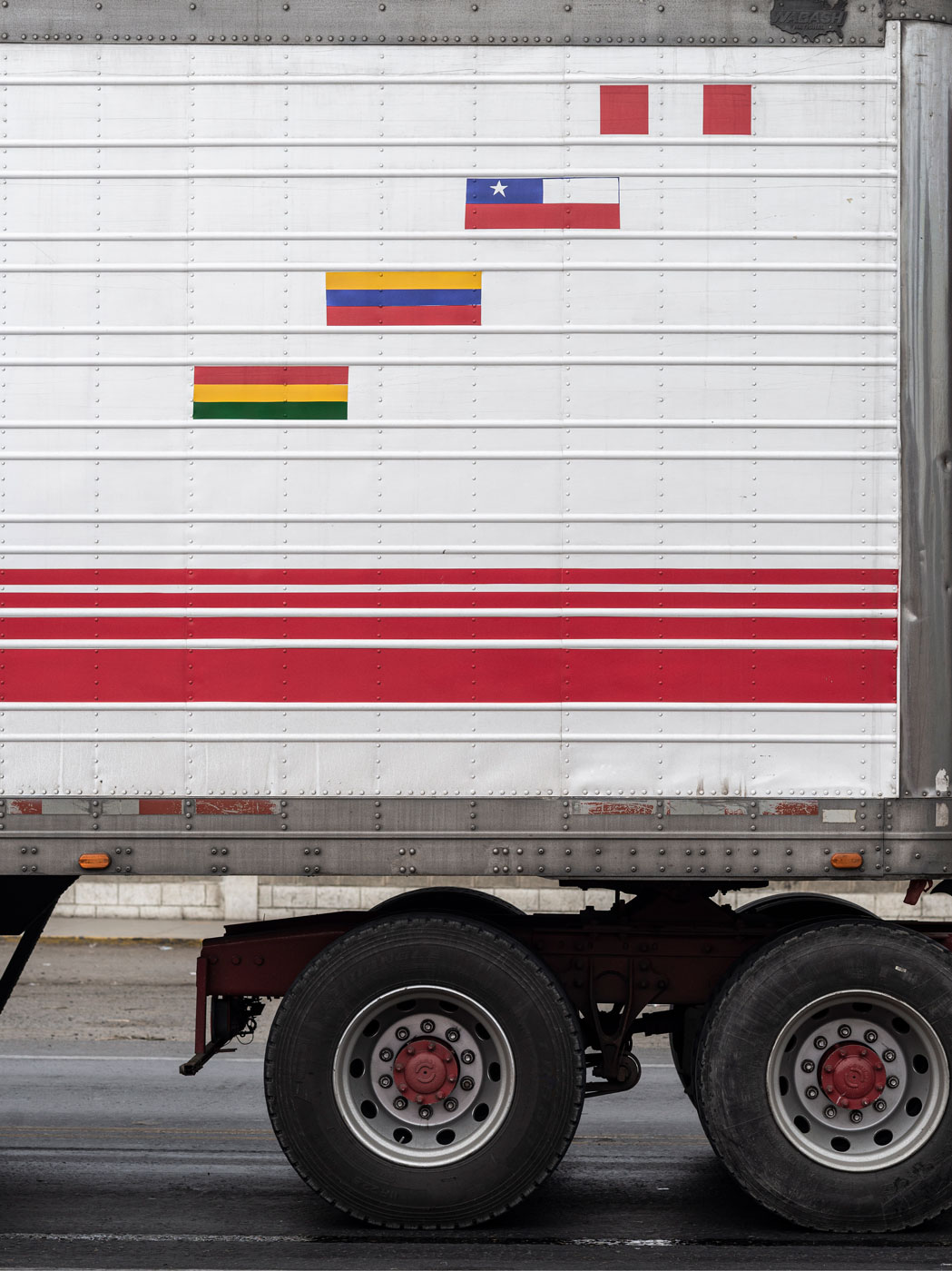
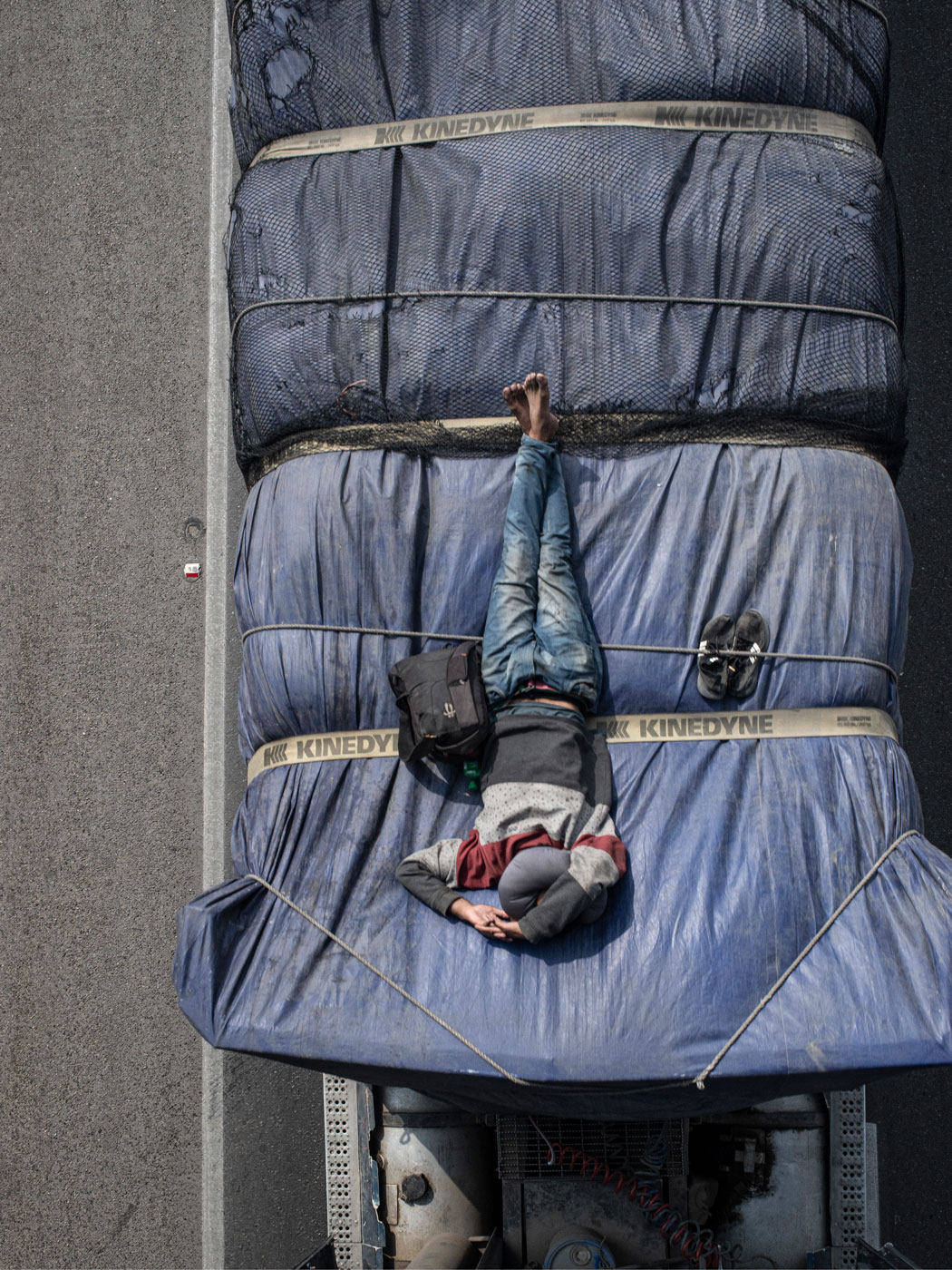
El proyecto Gandola (término usado en Venezuela para referirse a los tráileres) nació como un ejercicio de retrato fotográfico, recopilación de objetos y entrevistas —grabadas en audio o manuscritas— en las que los viajantes relataban su recorrido, los lugares atravesados y las experiencias, tanto buenas como malas, vividas en el camino. Este trabajo se complementó con fotografías cenitales de los vehículos, a modo de contexto, y en algunos casos con registros realizados por los propios migrantes. El proceso de documentación se extendió durante cuatro años en puntos estratégicos de la ciudad.
Mediante estos recursos documentales, el proyecto busca generar conciencia y memoria histórica sobre este fenómeno, abrir diálogos que contribuyan a evitar la discriminación y la xenofobia, y aportar a la comprensión del proceso migratorio de este grupo humano. Al mismo tiempo, procura preservar tanto la memoria visual como sus propias historias, contribuyendo a consolidarnos como una sociedad pluricultural en el futuro cercano.
Lucio Mora
Trujillo, Octubre del 2025
The Venezuelan diaspora is one of the most notable events in contemporary Latin America. More than five million people have crossed borders, and Peru, despite its historical shortcomings, has not remained untouched: it is one of the countries receiving the largest number of Venezuelan migrants and, at the same time, a transit point toward the south.
Since the arrival of the first migrants to our city, I began interviewing them. Over time, I discovered that there were different ways of traveling, with the Pan-American Highway serving as a central axis. From those interviews, which began in 2018, and through my trips to my hometown (Guadalupe, La Libertad), I observed that those with fewer resources traveled differently: riding atop cargo trucks moving from city to city. Under extremely dangerous conditions, they moved forward in search of a better future or returned to their country of origin by practicing what they called “trailer-stop.”
The project Gandola (a Venezuelan term used to refer to cargo trucks) emerged as an exercise in photographic portraiture, the collection of objects, and interviews — recorded in audio or handwritten form — in which the travelers recounted their journeys, the places they crossed, and both the good and bad experiences they lived along the way. This work was complemented by overhead photographs of the vehicles as contextual elements, and in some cases by records produced by the migrants themselves. The documentation process extended over four years at strategic points throughout the city.
Through these documentary resources, the project seeks to generate awareness and historical memory about this phenomenon, to open dialogues that help prevent discrimination and xenophobia, and to contribute to a broader understanding of the migratory process experienced by this group of people. At the same time, it aims to preserve both the visual memory and the personal stories of the migrants, contributing to the consolidation of a multicultural society in the near future.
Lucio Mora
Trujillo, October 2025